Can I Trust the Bible? (Part 1)
How Did an Ancient Book Make It to the Modern Day? The Bible has travelled an extraordinary journey, from the original manuscripts written thousands of years ago to the Scriptures we read today. Through generations of careful preservation, God has faithfully kept His Word, giving us confidence that the Bible remains His trustworthy revelation to humanity.

Article by Jo Gamel
Contributor·29 July 2026·6 min read
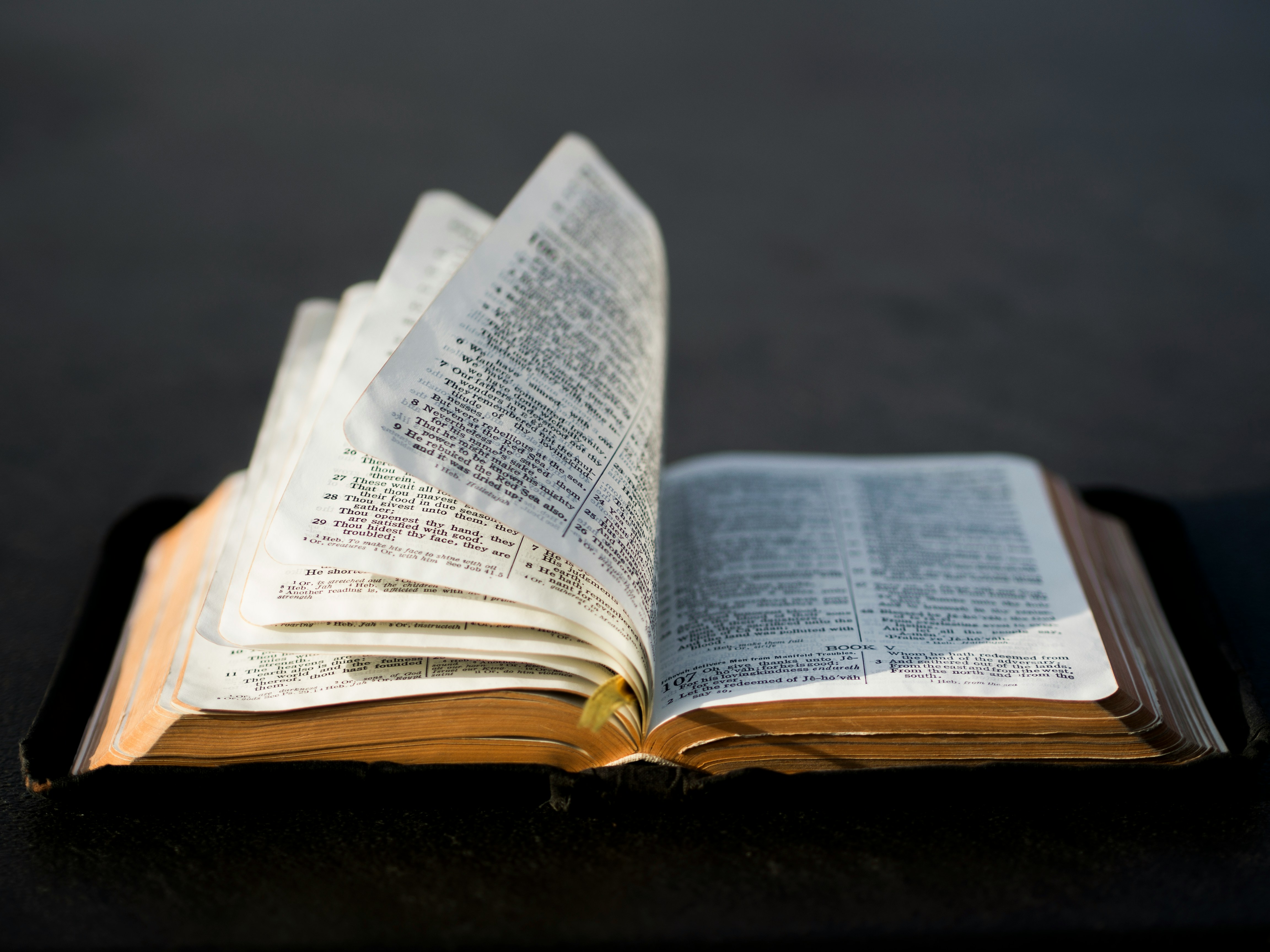
Imagine finding a letter written by your great-great-grandparent hundreds of years ago. As you read it, you begin to wonder: How do I know these are the exact words they wrote?
That is a natural question. The older a document becomes, the more we want to know whether it has been preserved accurately.
Now consider the Bible.
The Bible is the most influential book in human history. It has been read by billions of people, translated into thousands of languages, and continues to shape the lives of people around the world. Yet the Bible is also an ancient book. Its writings began thousands of years ago, long before modern technology, printing presses or digital storage.
So we need to ask an important question: How did the Bible make it from the ancient world to us today?
Can we trust that the Bible we read today carries the same message that was originally written?
To answer these, we need to start from the beginning.
How the Bible Was Written
The Bible was not written as one single book at one particular moment. It is a collection of sixty-six books written over a period of about 1,500 years, from roughly the 14th century BC to the 1st century AD.
God chose different people from different backgrounds to write these books. They included kings, prophets, fishermen, a tax collector, a physician and many others. They lived in different times and places, yet their writings come together to reveal consistently who God is, His will for humanity, and His plan of redemption through Jesus Christ.
Although human authors wrote the words, Christians believe God was the ultimate Author. The apostle Paul wrote: "All Scripture is given by inspiration of God..." 2 Timothy 3:16 (NKJV)
The original writings of these biblical authors are called original manuscripts. These were the first handwritten documents produced by the biblical writers themselves. They were written on materials available at the time, such as papyrus and parchment. The Old Testament was written mainly in Hebrew, with small portions in Aramaic, while the New Testament was written in Greek, the common language of the wider world at that time.
What Happened to the Original Manuscripts?
A common question people ask is this:
"Do we still have the original manuscripts of the Bible today?"
The answer is no. The original manuscripts written by Moses, David, Paul and the other biblical writers no longer exist. However, this is not unusual.
Almost all ancient writings have survived through handwritten reproduction. Before the invention of the printing press, documents had to be copied by hand. When scribes produced a handwritten copy from an original manuscript, that copy was also called a manuscript.
Over time, these manuscripts were copied again and again. In other words, some manuscripts were copies of earlier manuscripts, which were themselves copies of the original manuscripts.
Although this may sound concerning at first, this was the normal way important writings were preserved in the ancient world. The Bible was preserved through this same process.
Faithful scribes dedicated themselves to copying the Scriptures carefully. They treated these writings with great respect because they understood their importance. Through generations of careful copying, the message of Scripture was passed from one generation to another.
Can We Trust the Copies?
This leads to another important question:
"If the original manuscripts no longer exist, how can we know that the message has not been changed over time as these manuscripts were copied?"
Imagine that a very important letter was written hundreds of years ago. The original letter has been lost, but before it disappeared, several careful copies were made by different people in different places.
Those copies may not be exactly identical. Perhaps one person accidentally missed a word, while another used slightly different spelling. However, when the copies are gathered together and compared, the original message becomes much clearer.
This is the same process scholars use when studying the ancient manuscripts of the Bible.
Over the centuries, thousands of biblical manuscripts and fragments have been preserved. These manuscripts come from different locations and different periods of history. Scholars compare them carefully to identify where differences occurred and to determine what the original writings said with a high level of confidence.
The evidence for the Bible is remarkable when compared with other writings from the ancient world. The Bible has an extraordinary number of manuscripts available for comparison, allowing scholars to examine the text across different times and places. This gives strong confidence that the Bible we have today faithfully reflects the original writings.
This does not mean that every manuscript is exactly identical. Small differences naturally occurred because these writings were copied by hand over many centuries. However, these differences do not affect the central message of Scripture. Instead, the abundance of manuscripts allows scholars to examine the evidence carefully and confirm the reliability of the biblical text.
The Bible is therefore a book that has been carefully preserved and faithfully passed down through generations.
What About Chapters and Verses?
It is also helpful to know that the original manuscripts did not contain the chapter and verse divisions we use today.
These divisions were added much later to make the Bible easier to read, study and reference. The chapter divisions commonly used today were developed in the 13th century by Stephen Langton, the Archbishop of Canterbury. Later, in the 16th century, Robert Estienne (Stephanus) introduced the verse divisions for the New Testament in his printed Greek New Testament. The verse divisions for the Old Testament were based on earlier Jewish traditions of organising the Hebrew Scriptures.
These additions were not part of the original inspired writings, but they were helpful tools developed by later generations to help readers locate and study passages more easily. They did not change the message of Scripture or add anything to its meaning. They simply provided a practical way for people around the world to navigate the Bible.
What This Means for Us
The Bible has travelled an extraordinary journey.
What began as handwritten documents in the ancient world has been faithfully preserved through generations of scribes, believers and communities of faith. It has endured the challenges of history, crossed cultures and languages, and continues to speak with power and relevance today.
We can trust the Bible because God has faithfully preserved His Word. Its survival is not merely the result of human effort or historical chance. It is a testimony of God's faithfulness and His desire to make Himself known to humanity.
The Bible is more than an ancient book that has survived through the centuries. It is God's revelation to us, showing us who He is, what He has done, and His plan of redemption through Jesus Christ.
The question, therefore, is not only whether we can trust the Bible.
The greater question is whether we will open our hearts to it, believe its message and allow the trustworthy Word of God to shape the way we live.
Jo Gamel is passionate about writing for the Gospel, making Jesus known, and encouraging others to grow in their Christian faith.
This piece reflects the author's perspective, one voice among the many who write for approvedtoGod.